Speech & Language · 12 March 2026
Speech and Language Milestones: When Should a Child Be Talking?
By the HearMax Centre team

Parents naturally compare: my friend's child is already saying full sentences — should mine be? Development does vary, but "wait and see" works best when you know what you are waiting for. Speech and language milestones give you that reference point.
Early matters enormously. A child's brain is most responsive to language in the first few years of life, and when a delay is identified early, simple support often makes an outsized difference.
What to expect, roughly
By 6 months: babbling begins ("ba", "ma", "da"), eyes turn towards familiar voices and sounds, and your baby responds to tone of voice and to their name being called.
By 12 months: first words appear — usually simple ones for people and things ("mama", "ball", "dog"). Gestures come with them: pointing, waving, showing you things. They enjoy rhymes and songs.
By 18 months: a growing vocabulary, often around 10–20 words, and an attempt to imitate new words. They understand far more than they can say — following simple instructions like "bring me the shoe".
By 2 years: around 50 words, and the exciting arrival of two-word combinations: "more milk", "dada go", "my shoe". Strangers can understand some of what they say.
By 3 years: sentences of three or four words, speech that familiar listeners understand most of the time, and a constant stream of questions: what? why? where?
By 4–5 years: complex sentences, stories retold in order, speech that is clear to people outside the family, and the ability to follow multi-step instructions.
Receptive language (understanding) typically leads expressive language (speaking). A child who points accurately but says few words is using language — but the gap still deserves watching.
Red flags worth acting on
Speak to a professional if:
- Your child does not respond to sounds or their name by 12 months
- There are no words at all by 18 months, or fewer than 20 words by 2
- You notice no two-word combinations by around 2½ years
- Speech is largely unintelligible to strangers beyond 3 years
- A child loses words or skills they previously had — always take regression seriously, and seek help promptly
- Stuttering that persists, worsens, or comes with tension or frustration
- Feeding or swallowing difficulties alongside speech concerns
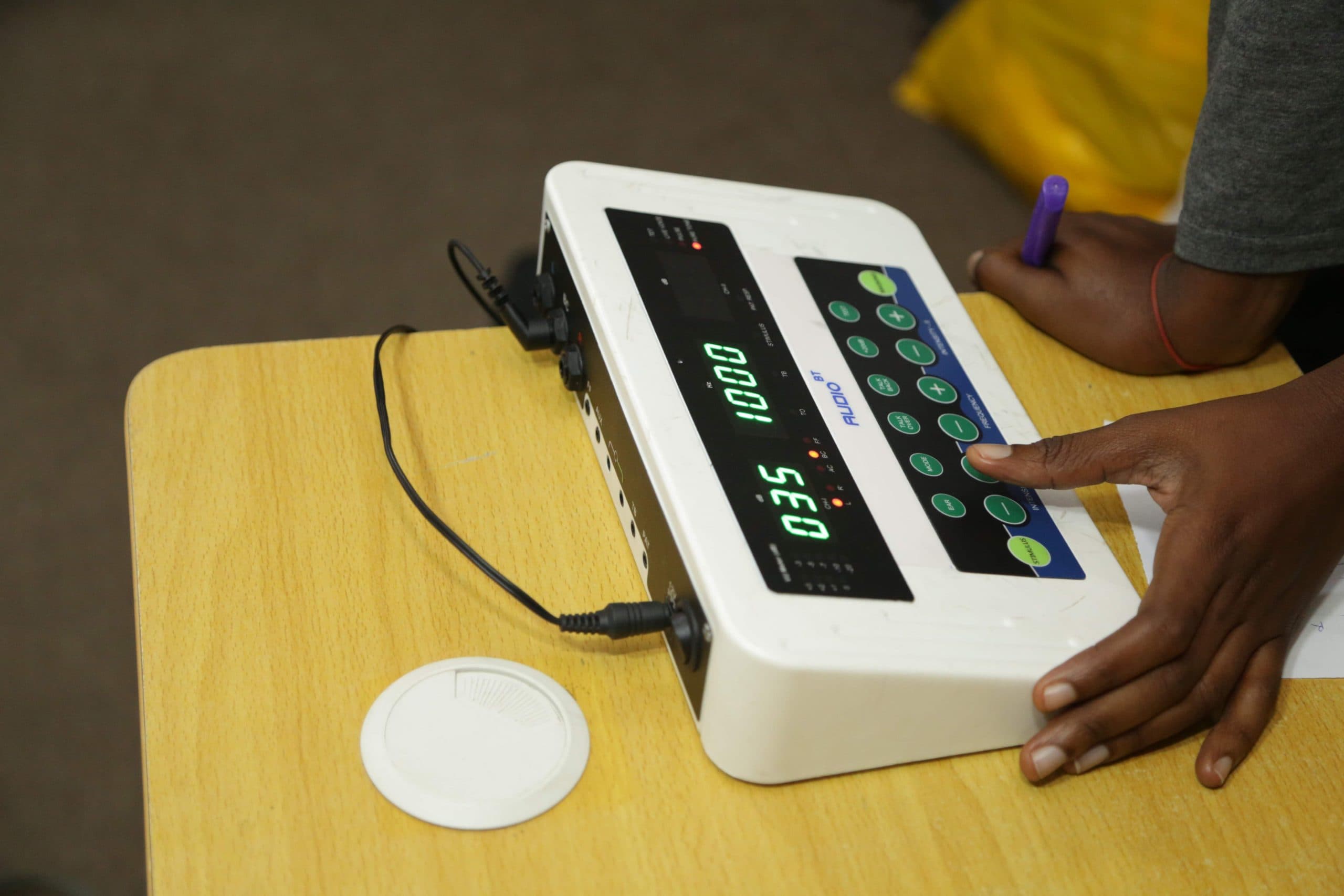
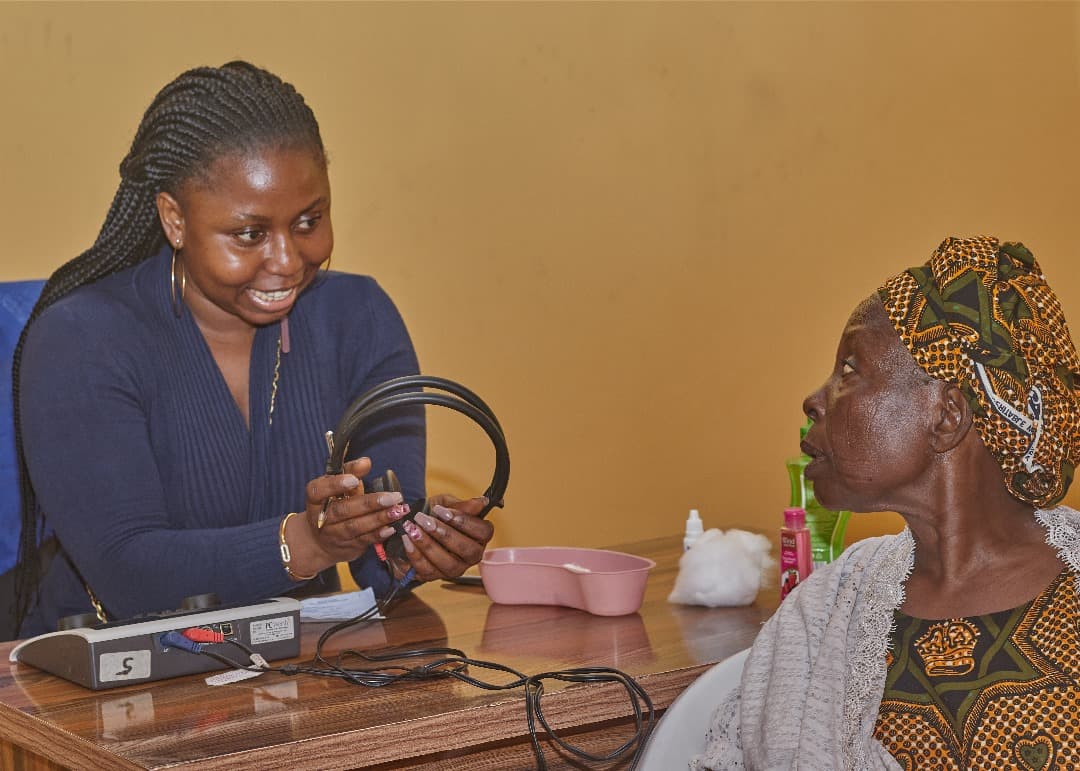
One note on hearing: because hearing and speech are so tightly linked, any concern about speech should include a hearing check. A child with reduced hearing — even temporary glue ear — receives a muffled version of language, and the speech system builds itself from the input it receives.
What early support looks like
An assessment typically covers hearing, how the child understands and produces language, and how they communicate in everyday situations. Depending on the findings, support may involve speech and language therapy, strategies for home, monitoring over time, or referral for further evaluation.
Therapy for young children rarely looks like "work". It looks like play, songs, reading together, and simple changes to how adults talk with the child — woven into ordinary family life.
How you help at home
- Talk through the day — narrate what you're doing as you do it
- Read together daily — point, name, pause, let them fill in the ending
- Respond and expand — when they say "car", you say "yes, a big red car!"
- Sing and rhyme — repetition and rhythm are powerful teachers
- Reduce screen time in favour of conversation — children learn language from live interaction, not from videos
- Follow their lead — talk about what has their attention
If something on this list gives you pause, the right move is not to wait another six months hoping — it is to get a check. HearMax Centre provides comprehensive assessment and therapy for children, adults and older adults. Book a free consultation and let's look at it together.
More articles
Keep reading
Ready to take the first step towards better hearing?
Book a free consultation today — or get weekly hearing & speech tips on WhatsApp.