
Speech & Language · 4 October 2026
My Child Is Not Talking at 2: When Should I Worry?
By the HearMax Centre team

"He will talk when he is ready." It is said with love, and sometimes it is exactly right. But by the second birthday, there are communication milestones that deserve attention — because early support works, and delay compounds.
What is typical by age two
By 18 months, most children have around 10–20 words and are attempting new ones regularly. They understand far more than they say — following simple instructions like "bring me the shoe".
By 2 years, the usual range is around 50 words with the arrival of two-word combinations: "more milk", "dada ball", "carry am". Strangers can understand some of what they say.
Receptive language — understanding — typically leads expressive language, the speaking. A child who points accurately but says few words is using language; the gap still deserves watching.
Red flags by two
Worth a professional conversation if your child at 18–24 months:
- Has fewer than about 10 words, or the number has stopped growing
- Does not combine two words when peers are doing so
- Does not seem to understand simple instructions
- Does not respond to their name or to sounds — this one needs urgent attention
- Has lost words they previously used
- Seems unable to follow a simple routine you describe out loud
Loss of words is always worth prompt assessment.
Rule out hearing first
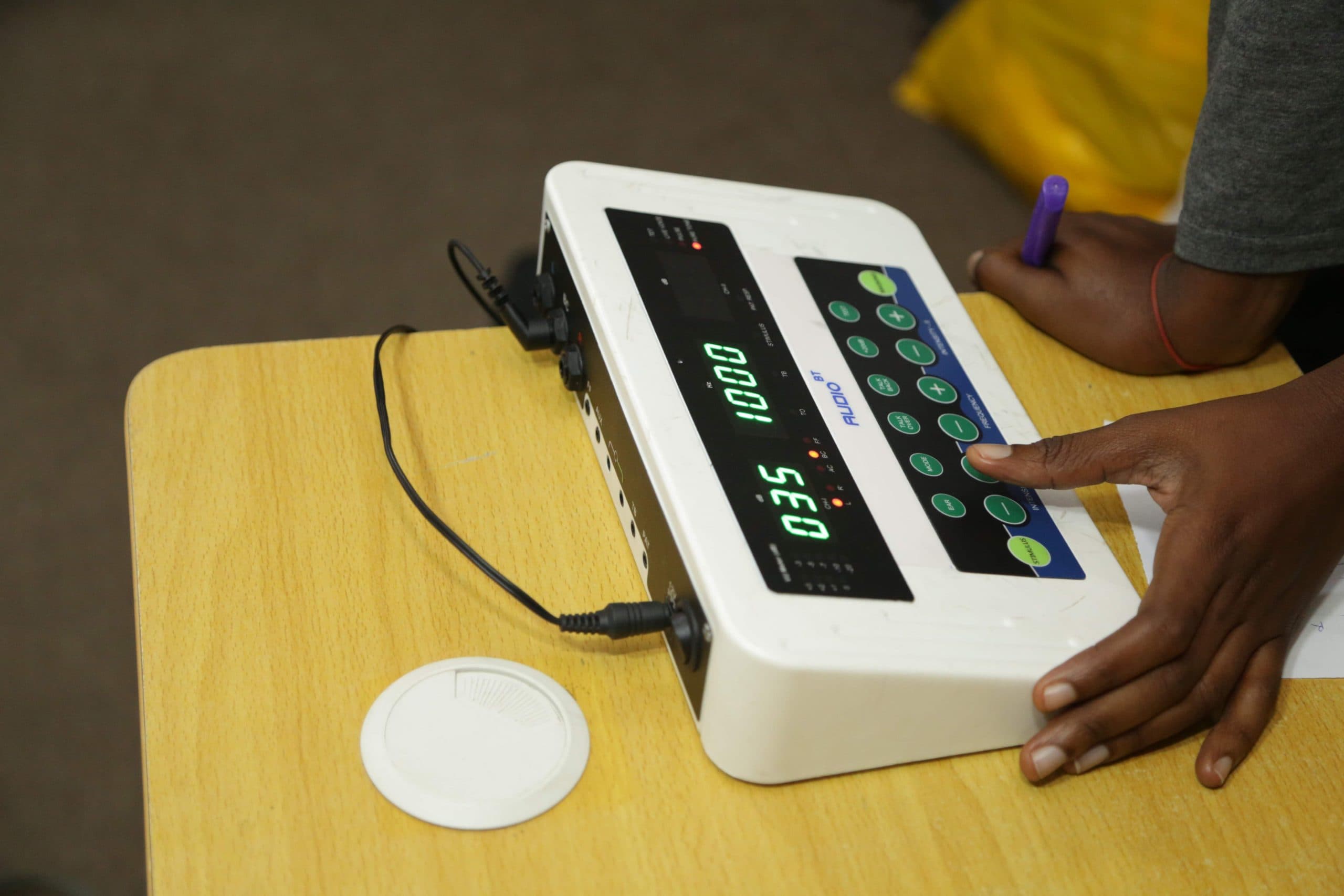
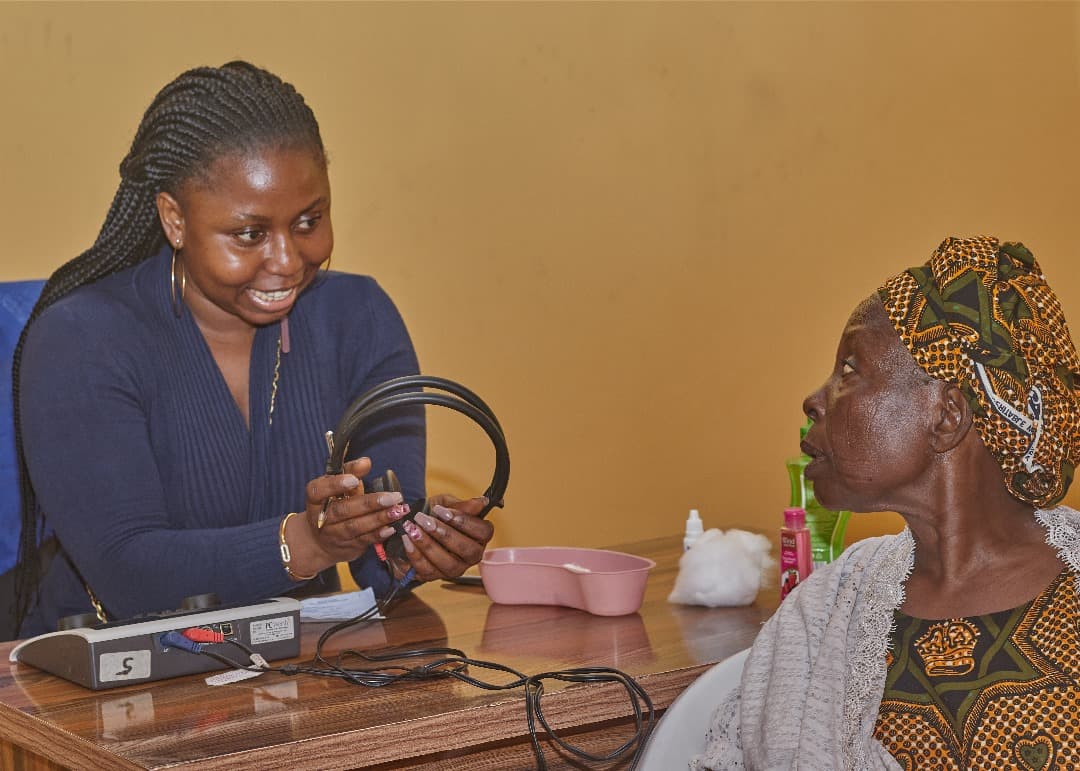
Before anything else, check that the ears are working. A child with a hearing problem — even a mild or fluctuating one from recurrent ear infections — cannot build speech from sound input they are not receiving fully. This is why an audiological assessment is often the first step, and why a child who "doesn't talk" needs both an audiologist and a speech-language pathologist in the conversation.
What to do if you are worried
- Do not wait another six months hoping. Concern is not an alarm — it is information.
- Book a hearing and speech-language assessment. You are looking for answers, not a diagnosis by Google.
- Keep talking and reading anyway. Rhymes, songs, repetition and story time all stimulate language learning while you wait for your appointment.
- Bring your notes — which words your child uses, what they understand, when you first noticed the gap.
Assessment tells you where your child stands and what to do next. If it turns out to be a pacing issue, you will have reassurance. If it is not, you will have lost nothing — and gained time, which is the one thing language development cannot get back.
Worried about your child's speech? Book an assessment: WhatsApp 0808 680 4931 · hearmaxcentre.com/speech-therapy · HearMax Centre, New Bodija, Ibadan.
More articles
Keep reading
Ready to take the first step towards better hearing?
Book a free consultation today — or get weekly hearing & speech tips on WhatsApp.